

L-Track vs. E-Track: Which Tie Down System is Right For You?
Choosing between L-track and E-track comes down to your vehicle, cargo type, and how much flexibility you need in your tie-down system. Whether you're a truck owner, a logistics professional, or someone in the shipping industry, choosing the right cargo securement system is paramount.
Read more below on the differences between these two popular tracks and determine which one - E-track or L-track - is best for your needs.
L-Track vs E-Track: Quick Comparison
| Feature | L-Track | E-Track |
|---|---|---|
| Material | Aluminum | 12-gauge steel |
| Profile | Narrow, low-profile rail | Wider, industrial rail |
| Best For | Pickup trucks, vans, tight spaces | Enclosed trailers, commercial freight |
| Installation Areas | Floors, walls, ceilings, truck bed ribs | Trailer walls and floors |
| Common Uses | Motorcycles, ATVs, light equipment | Palletized freight, decking beams, heavy loads |
What is L-Track?
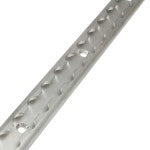
- Shop more of our L-Track Spring Fittings today!
If you're looking for versatility for lightweight applications, then you need L-track. The track contains pre-drilled holes for easy installation anywhere along your truck bed or trailer, and its modular design allows you to reconfigure and customize your tie-down setup as needed. This makes it convenient to adapt to different cargo sizes.
US Cargo Control provides four styles of L-track to suit your specifications in lengths ranging from 6" to 144":
All L-track rails are made with an aluminum or black anodized finish for durable protection against the outdoor elements. Check out the video below to see how our anodized finish holds up against the competition's painted black finish when it comes to scratches!
L-Track Scratch Test
What is E-Track?

- Browse through more of our Enclosed Van Trailer products!
E-Track vs. L-Track: Which One is Better?
Choosing between L-track and E-track depends on your tie-down needs and your truck or trailer setup.
- E-track works better for heavy-duty cargo, like vehicles, equipment, or palletized loads. You can also use it to create decking to increase your trailer space. E-track is the go-to choice for trucking industry professionals.
- L-track is better for light-duty cargo and has a smaller profile - making it perfect for pickup truck beds or other applications where space is tight.
No matter which option you choose, E-track and L-track from US Cargo Control are both high-quality tie-down trails guaranteed to keep your cargo safe and secure. For more information on these tie-down systems, read our additional articles and resources listed below!
Frequently Asked Questions About L-Track vs E-Track
Is L-Track stronger than E-Track?
E-Track is generally designed for heavier commercial freight applications due to its steel construction. L-Track is strong when properly installed, but it is typically used for lighter to moderate-duty cargo securement where flexibility and low profile are priorities.
Can L-Track and E-Track be used in the same trailer?
Yes. Some trailer setups use E-Track on walls for vertical restraint and L-Track on floors for adjustable anchor positioning. The right combination depends on the type of cargo being transported.
Which system is better for pickup trucks?
L-Track is often preferred for pickup trucks because of its narrow profile and ability to install inside bed ribs without taking up excess space.
Is E-Track only for enclosed trailers?
E-Track is most commonly used in enclosed trailers and commercial freight environments, but it can be installed in other applications depending on load requirements.
Do L-Track and E-Track use the same straps and fittings?
No. Each system uses fittings and straps specifically designed for its rail style. Always ensure you are using compatible accessories for the track system installed in your vehicle or trailer.
More L-Track & E-Track Resources You May Like:
E-Track 101: A Comprehensive Guide
Installing L-Track Anchor Points on Your Truck or Trailer
Horizontal vs. Vertical E-Track


