
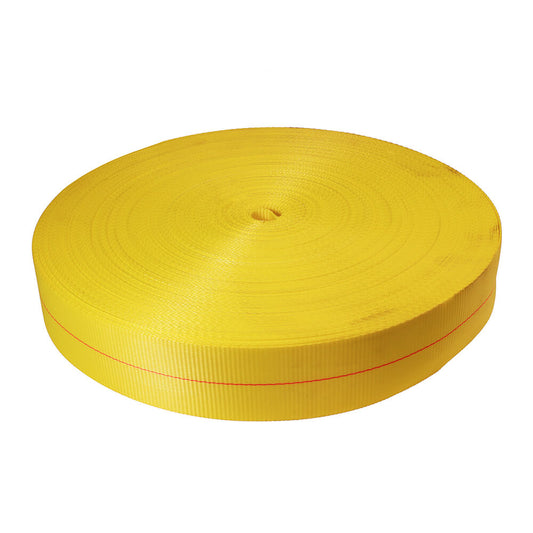
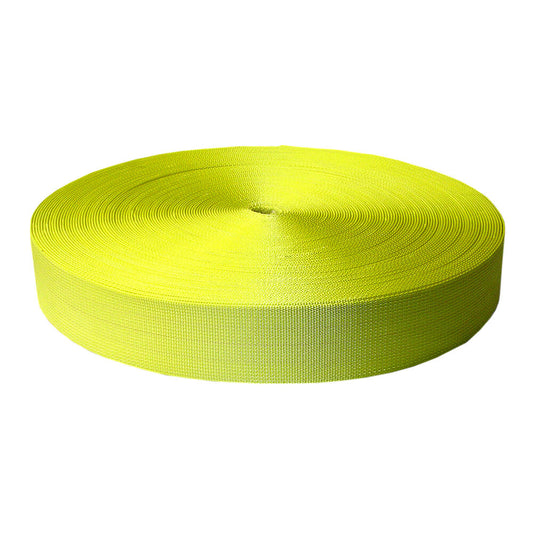
-

 Colors


 Lengths
- Purchase by Linear Foot or 300' Rolls
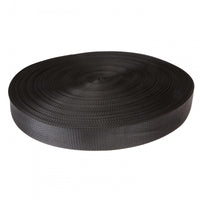
- Webbing Break Strength: 4,500 lbs.
starting at$0.27starting at$0.27 -

 Colors
Lengths
Colors
Lengths- Purchase by Linear Foot or 300' Rolls
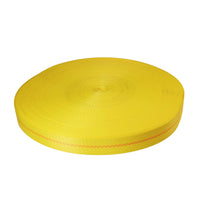
- Webbing Break Strength: 6,000 lbs.
starting at$0.47starting at$0.47 -
 Colors
Lengths
Colors
Lengths- Purchase by Linear Foot or 300' Rolls
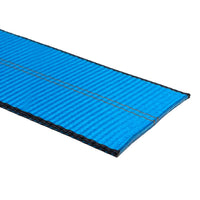
- Webbing Break Strength: 12,000 lbs.
starting at$0.40starting at$0.40 -

 Colors
Lengths
Colors
Lengths- Purchase by Linear Foot or 300' Rolls
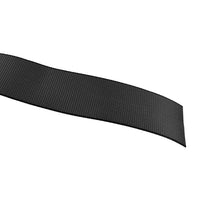
- Webbing Break Strength: 18,000 lbs.
starting at$0.56starting at$0.56 -

 Colors
Lengths
Colors
Lengths- Purchase by Linear Foot or 300' Rolls
- Webbing Break Strength: 20,000 lbs.
starting at$0.64starting at$0.64 -
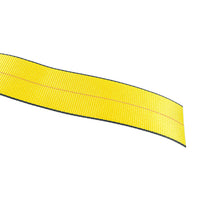 starting at$0.79starting at$0.79
 -


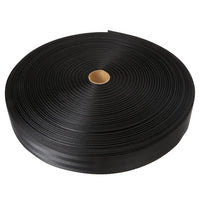 Colors
- Webbing Break Strength: 6,000 lbs.
starting at$100.79starting at$100.79 -
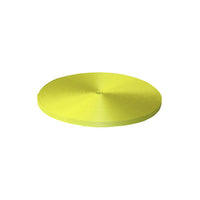 Regular price $117.99Regular priceSale price $117.99You Save 0%Regular price $117.99Regular priceSale price $117.99You Save 0%
 -

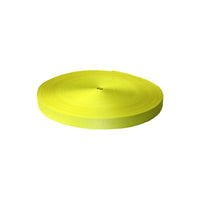
-
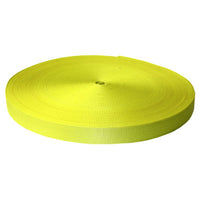 Regular price $222.00Regular priceSale price $222.00You Save 0%
 Regular price $222.00Regular priceSale price $222.00You Save 0%
-
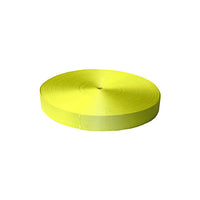 Regular price $329.99Regular priceSale price $329.99You Save 0%
Regular price $329.99Regular priceSale price $329.99You Save 0%
Regular price $329.99Regular priceSale price $329.99You Save 0%
-
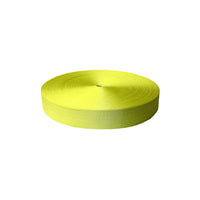 Regular price $444.99Regular priceSale price $444.99You Save 0%
Regular price $444.99Regular priceSale price $444.99You Save 0%
Regular price $444.99Regular priceSale price $444.99You Save 0%
-
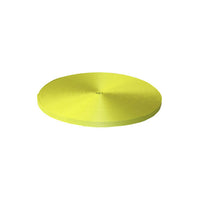 Regular price $144.99Regular priceSale price $144.99You Save 0%Regular price $144.99Regular priceSale price $144.99You Save 0%
 -

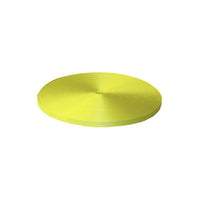 Regular price $207.99Regular priceSale price $207.99You Save 0%
Regular price $207.99Regular priceSale price $207.99You Save 0%
Regular price $207.99Regular priceSale price $207.99You Save 0%
-
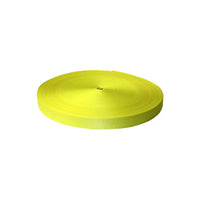 Regular price $234.99Regular priceSale price $234.99You Save 0%
Regular price $234.99Regular priceSale price $234.99You Save 0%
Regular price $234.99Regular priceSale price $234.99You Save 0%
-
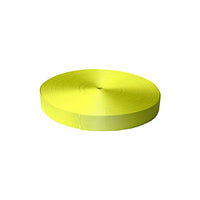 Regular price $404.99Regular priceSale price $404.99You Save 0%
Regular price $404.99Regular priceSale price $404.99You Save 0%
Regular price $404.99Regular priceSale price $404.99You Save 0%


Webbing for Tie Downs, Slings, and Custom Securement
When strength, flexibility, and reliability matter, webbing is the strap material professionals trust. From flatbed cargo securement to lifting applications, woven synthetic webbing is the foundation behind many of the straps and slings used every day in trucking, transportation, moving, and industrial work.
At US Cargo Control, we offer durable webbing straps by the foot and bulk webbing roll options in both polyester and nylon to support a wide range of uses. Whether you are manufacturing tie downs, building slings, replacing worn strap webbing, or sourcing material for custom assemblies, the right webbing makes all the difference.
What Is Webbing?
Webbing is a woven fabric strip designed to handle tension and load force. It is commonly used as strap material for tie down straps, lifting slings, cargo securement products, and utility straps.
Compared to rope, webbing provides a flatter profile, better load contact, and easier handling. Compared to chain, webbing is lighter, easier to store, and less likely to damage finished surfaces. That makes it a practical choice for both industrial and commercial applications.
You will find webbing used in a variety of commonly used tie downs and other assemblies:
- Ratchet tie downs and winch straps
- Recovery and tow straps
- Lifting slings and rigging assemblies
- Moving and appliance straps
- Utility securement and general purpose straps
Types of Webbing We Offer
Different jobs call for different materials. The two primary types of webbing used in professional securement and lifting are polyester and nylon.
Polyester Webbing
Polyester webbing is one of the most common materials used in webbing straps for cargo securement. It offers excellent durability with low stretch, making it ideal for holding loads in place over long distances.
Polyester's lower stretch value makes it ideal for tie-down applications. Sometimes called military webbing, polyester cargo webbing is strong and lightweight like nylon webbing, but without the stretch. It's also popular as a replacement for traditional rope due to its flat profile.
Polyester webbing is resistant to abrasion, UV rays, and water absorption, so it's great for cargo strapping, E-track straps, winch straps, ratchet straps, tow straps, and more. By simply adding your own tie down hardware, you can create your own custom strapping.
Choose from a wide variety of colors - red, yellow, white, green, black, olive drab, and more - and sizes (widths range from 1" to 4").
Key Characteristics of Polyester Webbing:
- Low elongation under tension
- Strong UV resistance for outdoor use
- Good resistance to moisture and mildew
- High abrasion resistance for repeated handling
Polyester Webbing Applications:
When your goal is stable, low stretch securement, polyester is often the best strap material.
- Ratchet Straps & Tie Downs - Low stretch under load, UV- and water-resistant.
- Cargo Nets - Strong and adaptable for varied shapes.
- Tow Straps - Lower stretch than nylon for easy towing.
- Harnesses & Safety Gear - Comfortable and flexible for body contact.
Nylon Webbing
Nylon webbing is known for its strength and flexibility. It stretches more than polyester under load, which helps absorb shock and dynamic force. That makes it a strong choice for applications where movement or impact is expected.
With tensile strength ratings ranging from 7,000 lbs. to 117,600 lbs. and a natural ability to stretch approximately 5-7% at rated capacity and approximately 30-33% at breaking strength, it's an ideal choice for lifting slings.
Our nylon webbing comes in widths ranging from 1" to 12" and is sold in 300' webbing rolls.
In addition to the various widths of nylon webbing you can buy to create your own custom lifting slings and recovery straps, we sell web slings and recovery straps in many styles and sizes.
Key Characteristics of Nylon Webbing:
- Higher elasticity than polyester
- Excellent shock absorption
- High tensile strength
- Smooth handling and flexibility
Nylon Strapping Applications:
For jobs that involve shifting force or impact loads, nylon webbing is often the better fit.
- Lifting Slings - Ideal for lifting heavy loads due to stretch and strength.
- Recovery Straps - Absorbs shock during dynamic loads. The "snap-back" quality of the nylon helps recover vehicles stuck in mud, sand, and snow.
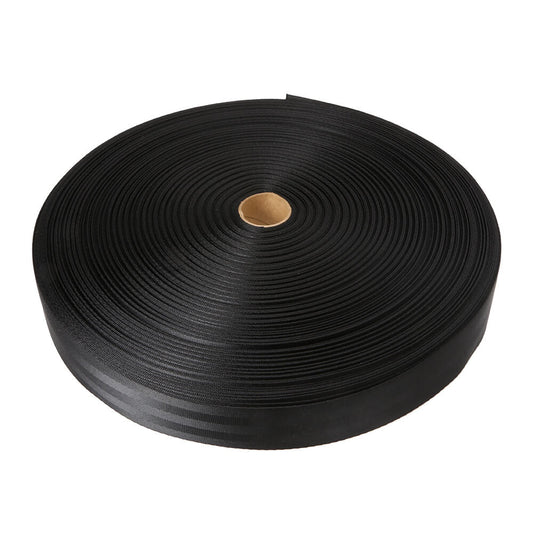
Seatbelt Webbing
Like our polyester strapping, seat belt webbing is a great choice when you need high-quality, heavy-duty webbing with high strength and little stretch. Our seat belt webbing is also polyester, but is thinner and less expensive than our regular polyester webbing.
Its resistance to fading, rotting, mold, and mildew makes it ideal for harsh weather and extreme outdoor environments.
We carry seat belt webbing rolls in stock in colors black and gray, but custom colors and color matching are also available for an extra charge. Color variations can occur, so if you need the same color for more than one roll, call our sales team for more information.
Seat Belt Webbing Applications
-
Automotive Restraints - Original use for seat belts due to high tensile strength and smooth surface.
-
Bag Straps - Replacing handles and straps on bags
- Pet Leashes - Creating a custom-length pet leash for large dogs or other animals.
- And More! Repairing life jackets, horse blankets, and tent hoops
Polyester vs Nylon Webbing
Choosing between polyester and nylon comes down to performance needs. Here is a simple breakdown to help you select the right webbing roll or pre-cut strap material.
Stretch and Elongation
- Polyester webbing has low stretch, which helps keep cargo tight and stable
- Nylon webbing stretches more, which helps absorb shock and sudden force
Moisture and Weather Resistance
- Polyester resists moisture and mildew better
- Nylon can absorb water, which may affect performance in wet conditions
UV Resistance
- Polyester performs better in long-term outdoor exposure
- Nylon can degrade faster with prolonged UV exposure
Best Use Cases
- Choose polyester for cargo securement, tie down straps, and outdoor use
- Choose nylon for lifting, towing, and dynamic load applications
Key Features of Industrial Webbing
Professional-grade webbing is built to perform in real-world conditions. The right strap material should hold up to friction, tension, weather, and repeated use.
Our webbing options are designed with the features that matter most:
- High tensile strength for demanding applications
- Multiple widths to match load and hardware requirements
- Durable weave construction for long service life
- Flexible handling for sewing and fabrication
- Consistent quality for repeatable performance
- Available by the foot and in bulk webbing roll lengths
Whether you are producing one custom strap or stocking material for ongoing manufacturing, quality webbing helps you build with confidence.
Webbing Tensile Strength
Tensile strength is the maximum amount of stress the strap can take before breaking or failing. For example, a polyester web strap with a 3.5K tensile strength can hold 3,500 lbs. before it will begin to fail. The wider the strap, the higher the break strength. See each product listing page for specifics on tensile strength.
How to Choose the Right Webbing
The best webbing for your application depends on load type, environment, and performance requirements. Before selecting a webbing roll or cut length, consider the following.
1) Application Type
Ask what the strap will be used for:
- Cargo securement on trailers
- Lifting and rigging
- Towing or recovery
- General utility use
Static securement jobs usually benefit from low-stretch polyester. Dynamic jobs often call for nylon.
2) Material Selection
Choose your strap material based on performance:
- Polyester webbing for low stretch and outdoor durability
- Nylon webbing for flexibility and shock absorption
- Seatbelt webbing for smoother handling and specialty applications
3) Width and Strength
Wider webbing generally supports higher capacities and better load distribution. Match the width and strength to the hardware and the demands of your application.
4) Environment
If the strap will be exposed to sun, moisture, and weather, polyester often performs better over time. For indoor use or dynamic applications, nylon may be the better choice.
Webbing Construction and Performance
Webbing performance is influenced by more than just material. The weave pattern and construction style affect strength, flexibility, and abrasion resistance.
Important factors include:
- Breaking strength: the maximum force the webbing can withstand before failure
- Working load limit: the safe load capacity for regular use
- Elongation: how much the webbing stretches under tension
- Abrasion resistance: how well the surface holds up to friction and wear
Understanding these factors helps you choose the right strap webbing for your exact application.
Webbing Safety and Best Practices
Even the best strap material can fail if used incorrectly. Following basic webbing safety practices helps prevent damage, downtime, and injury.
Best practices for webbing use:
- Use the correct material and width for the job
- Inspect webbing before each use for cuts, frays, or melted fibers
- Keep webbing away from sharp edges unless protected
- Do not exceed the rated working load limit
- Replace damaged webbing immediately
- Store webbing in a clean, dry area when not in use
Routine inspection and proper selection are the keys to long-term performance.
FAQs About Webbing
Q: What is the difference between polyester and nylon webbing?
A: Polyester webbing stretches less and resists UV and moisture better. Nylon webbing stretches more and absorbs shock, which makes it better for dynamic loads.
Q: Which webbing is best for tie down straps?
A: Polyester is typically the best choice for tie down straps because it has low stretch and holds cargo securely during transit.
Q: Can webbing be used for lifting slings?
A: Yes. Both polyester and nylon webbing are used to manufacture lifting slings. The right choice depends on the load type and environment.
Q: What is seatbelt webbing used for?
A: Seatbelt webbing is often used in specialty straps and products that need a smoother finish and softer feel.
Q: What is a webbing roll?
A: A webbing roll is a bulk spool of strap material used for manufacturing straps, slings, and custom assemblies. It is ideal for shops and operations that need consistent material on hand.
Built for Professionals Who Need Reliable Strap Material
In transportation, lifting, and securement work, details matter. The right webbing can mean fewer failures, safer loads, and smoother operations. Whether you need polyester for low-stretch cargo control, nylon for flexibility and shock absorption, or seatbelt webbing for specialty builds, quality strap material is the foundation of a dependable setup.
From pre-cut lengths to bulk webbing roll inventory, professional-grade strap webbing gives you the strength and consistency needed to build durable, reliable webbing straps for every kind of job.
Looking for a specific size? Check out all 1", 2", 3", and 4" webbing options at once!
If you'd rather purchase a pre-made ratchet strap, recovery / tow strap, or lifting sling, we carry those too.
Not sure which product is best for your application? Looking for a custom color or length? Call to speak to one of our product specialists today!