
Lifting Points
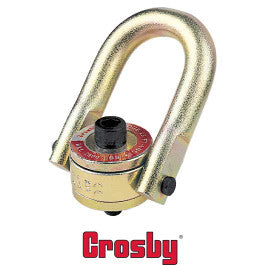
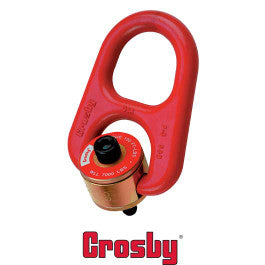
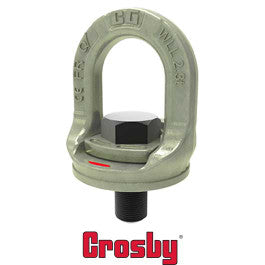
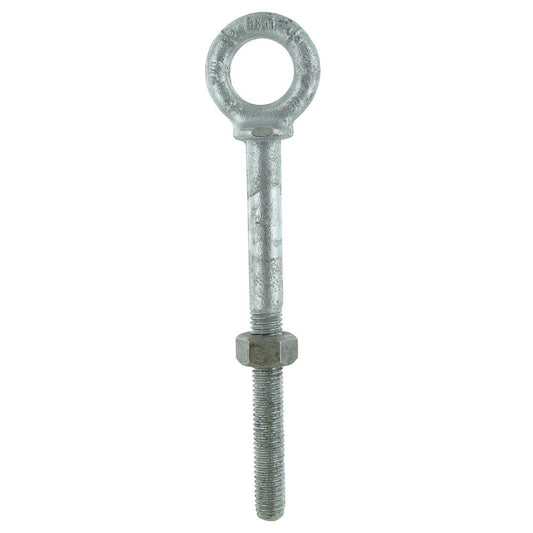
Lift Rings
Safe and efficient lifting starts with choosing the right lifting point. No matter what you're lifting, lifting points provide the critical connection between your load and your lifting equipment.
Available in a variety of styles, lifting points are designed to accommodate different load capacities, lifting angles, environments, and application requirements. From eye bolts to swivel hoist rings, choosing the appropriate lifting hardware helps improve load control, increase workplace safety, and support efficient lifting operations.
What Are Lifting Points?
A lifting point is a load attachment device that creates a secure connection between a load and lifting equipment such as slings, shackles, hooks, hoists, and cranes. Installed directly into machinery, fabricated structures, equipment, or components, lifting points provide designated attachment locations designed to safely transfer lifting forces.
Unlike many general-purpose attachment methods, lifting points are engineered specifically for lifting and material handling applications. They are available in fixed and rotating designs to accommodate different lifting requirements and operational conditions.
Selecting the proper lifting point is essential for maintaining load stability, protecting equipment, and supporting safe lifting practices.
Types of Lifting Points
Different lifting applications require different attachment solutions. Understanding the most common lifting point styles can help ensure the proper hardware is selected for each job.
Swivel Hoist Rings
Hoist rings are among the most versatile lifting points available. Unlike traditional eyebolts, swivel hoist rings are designed to rotate and pivot under load, allowing the lifting point to align with the direction of pull.
This means lifting hoist rings maintain 100% of their lifting capacity even when lifting at an angle, making them the right choice for angular lifts, multi-point lifting configurations, and applications where load direction may change during the lift.
Eye Bolts
Eye bolts are one of the most common types of lifting points used throughout industrial and commercial environments. Available in shoulder and non-shoulder designs, eye bolts provide a simple and effective lifting attachment for many applications.
Depending on the design and installation method, eye bolts can be used for vertical lifting and certain angular lifting applications. Their versatility and wide availability make them a popular choice for machinery handling, maintenance work, and general lifting tasks.
Hoist Rings vs Eye Bolts
Many lifting professionals choose swivel hoist rings instead of conventional eye bolts because of their superior flexibility and load alignment capabilities.
Advantages of Swivel Hoist Rings
Compared to standard eye bolts, swivel hoist rings offer:
- Full rotation under load
- Pivoting movement
- Better load alignment
- Greater lifting versatility
- Improved performance in angular lifting applications
When Eye Bolts May Be Appropriate
Traditional shoulder eye bolts may still be suitable for certain applications involving:
- Straight vertical lifts
- Simpler lifting configurations
- Permanent attachment points
- Lower-frequency lifting operations
For many industrial lifting applications, however, swivel hoist rings provide greater flexibility and safety advantages.
Benefits of Using Proper Lifting Points
Selecting the appropriate lifting point offers numerous advantages beyond simply creating an attachment location.
Improved Safety
Properly rated lifting points provide designated attachment locations designed specifically for lifting operations. This helps reduce risks associated with improper attachment methods and supports safer material handling practices.
Better Load Control
The correct lifting point helps maintain load stability throughout the lift. Improved load control can contribute to safer operations, more accurate positioning, and reduced equipment damage.
Increased Versatility
Modern lifting points are available in a wide range of configurations to accommodate vertical lifting, angular lifting, side pulling, and multi-point lifting applications.
Equipment Protection
Properly selected lifting hardware helps distribute forces more effectively, reducing unnecessary stress on equipment, components, and lifting systems.
Regulatory Compliance
Using appropriately rated lifting points supports safe lifting practices and helps organizations meet workplace safety requirements and operational standards.
Applications for Lifting Points
Lifting points are used throughout virtually every industry where materials, machinery, or equipment must be moved safely.
Manufacturing
Manufacturers rely on lifting points for a variety of tasks:
- Machine installation
- Tool and die handling
- Production equipment maintenance
- Material movement
- Assembly operations
Construction
Construction professionals utilize lifting points for structural steel handling, equipment positioning, material placement, and fabricated component lifting.
Transportation and Heavy Equipment
Maintenance teams frequently use heavy duty lifting eyes and lifting rings to service vehicles, remove engines, replace components, and perform equipment repairs.
Energy and Utilities
Power generation facilities, utility providers, and industrial plants depend on lifting points for maintenance, installation, and infrastructure projects.
Aerospace and Defense
Precision lifting applications often require engineered lifting points capable of providing consistent performance and reliable load handling.
Marine and Offshore
Corrosion-resistant lifting points are commonly used in vessel maintenance, dock operations, offshore facilities, and marine construction projects.
Lifting Points vs. Other Lifting Attachments
Lifting operations often involve multiple types of rigging hardware. Understanding how lifting points fit into the overall lifting system can help improve equipment selection.
Lifting Points
Lifting points attach directly to the load and serve as the primary connection between the load and the lifting system.
Shackles
Shackles are commonly used to connect lifting points to slings, chains, or other rigging components.
Hooks
Rigging hooks connect lifting systems to loads and are frequently used with cranes, hoists, and lifting devices.
Slings
Lifting slings transfer lifting forces between the lifting equipment and the load. Common sling types include:
Together, these components create a complete lifting and rigging system.
Inspection and Safety Considerations
Proper inspection and maintenance are critical for safe lifting operations.
Pre-Use Inspection
Before each use, inspect lifting points for:
- Cracks
- Deformation
- Excessive wear
- Corrosion
- Damaged threads
- Missing components
Load Rating Verification
Always verify that the lifting point's working load limit is appropriate for the intended lift.
Proper Use
Safe lifting practices include:
- Following manufacturer recommendations
- Ensuring proper installation
- Maintaining load alignment
- Avoiding overload conditions
- Using compatible rigging hardware
Ongoing Maintenance
Routine inspection programs help identify wear and damage before failures occur. Any damaged lifting hardware should be removed from service immediately.
Frequently Asked Questions
Q: When should I use a swivel hoist ring?
A: Swivel hoist rings are ideal when loads may be lifted at angles or when lifting forces may change direction during the lift.
Q: Are eye bolts suitable for angular lifts?
A: Certain shoulder eye bolts can be used in angular lifting applications when installed and loaded according to manufacturer guidelines.
Q: How do I determine the correct lifting point capacity?
A: Capacity should be selected based on load weight, lifting configuration, and manufacturer recommendations.
Q: How often should lifting points be inspected?
A: Lifting points should be visually inspected before each use and included in routine lifting equipment inspection programs.
Q: What industries commonly use lifting points?
A: Manufacturing, construction, transportation, utilities, aerospace, defense, marine, and industrial maintenance industries all commonly use lifting points.
Lifting Eye Questions?
Contact our sales team with any hoist ring questions or for help placing an order. We’ll work with you to get you what you want, when you need it.