
Connecting Links & Swivels


Hammerlocks, Swivel Chain Links, & More
Connecting your rigging components together is simple with the right hardware. Depending on the hardware - including hammerlocks, chain swivels, and chain connecting links - you can connect a chain to a masterlink, connect two pieces of chain together, or connect your lifting sling to end hardware.
From small overhead lifting jobs with chain slings to heavy-duty industrial and construction setups, these tools are built to handle the demands of your worksite.
What are Hammerlock Coupling Links?
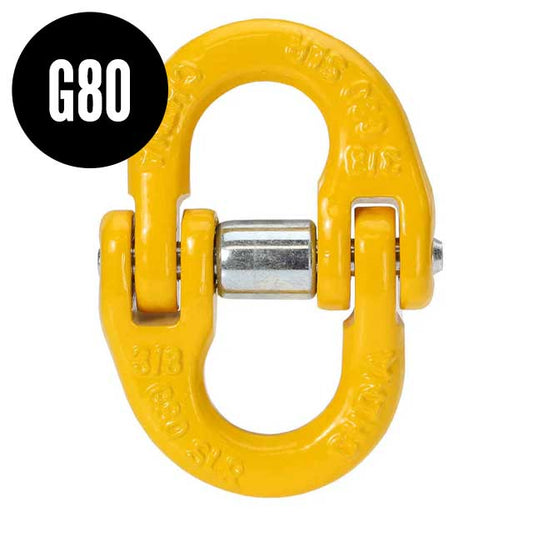
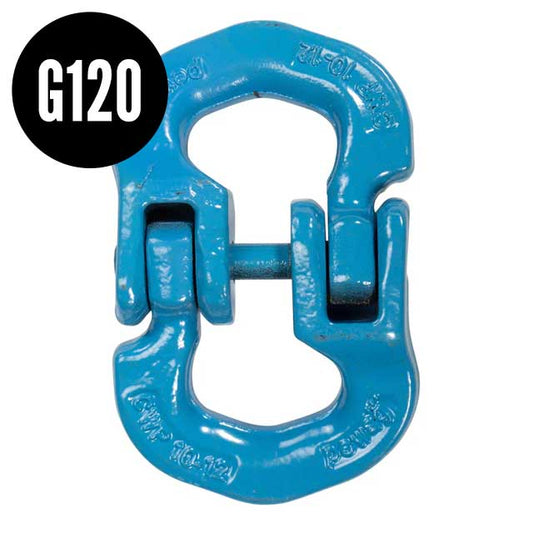
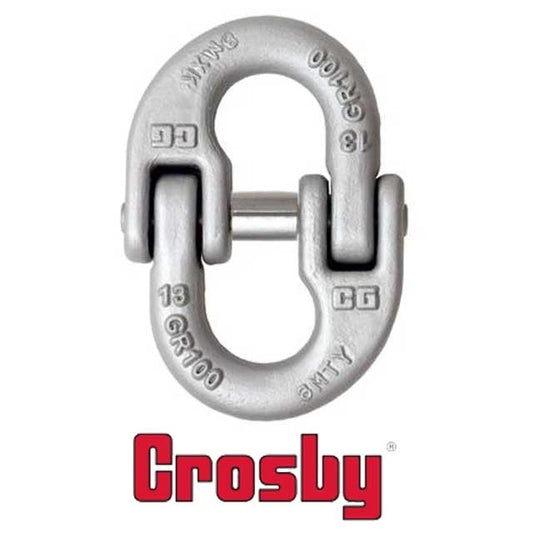
A hammerlock (also called a hammerlock coupling link, hammer lock, or chain coupler) is a two-piece link that joins chain to chain, or chain to a fitting. Because the halves can be joined on-site, hammerlocks are a popular choice for adding to a chain assembly in the field.
The halves are separated, attached to the chain or other component, then they are easily joined back together by hammering a pin through the center with a hammer.
Our hammerlocks are available for lifting-approved chain grades - grade 80 hammerlocks, grade 100 hammerlocks, and grade 120 hammerlocks. We even offer Crosby LOK-A-LOY connecting links that can be used with both grade 80 and 100 chain for added versatility.
Common Hammerlock Applications
- Overhead lifting with chain slings (Grade 80/100)
- Connecting hooks or master links to chain legs
- Recovery and towing systems
- Construction, marine, logging, and oilfield rigging
- Fixed, non-rotating connections between chain and fittings (use a chain swivel if the load needs to rotate)
What are Chain Swivel Links?
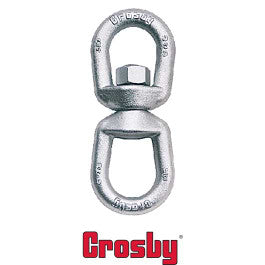
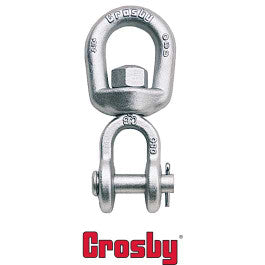
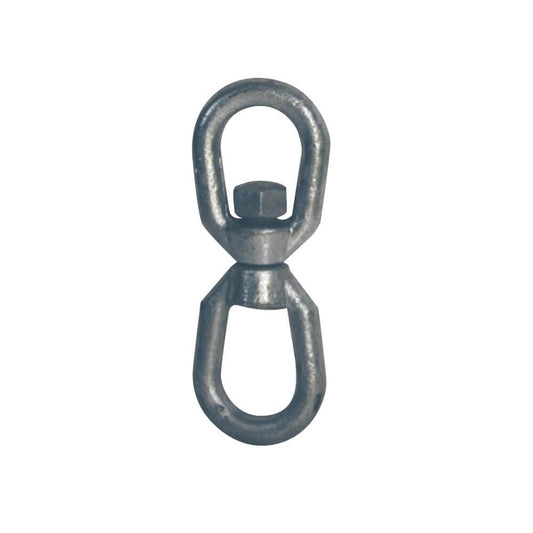
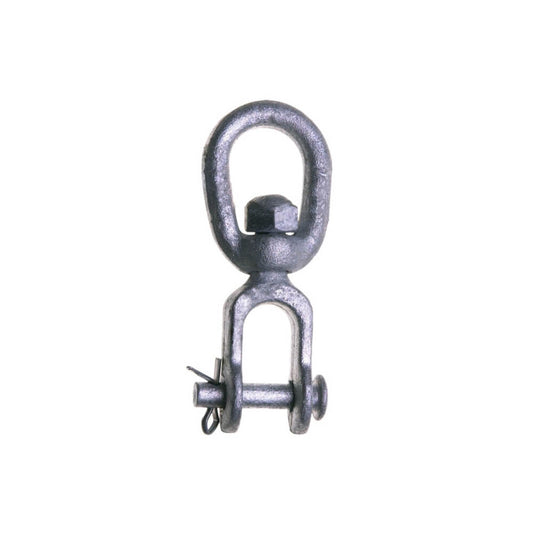
A chain swivel (also called a swivel chain link) lets a load rotate even after you’ve connected your components together. They are ideal for applications where you need to rotate while positioning the load. Used to join a chain sling with a fixed connection point, it helps to prevent side loads and improves worksite safety.
Our chain swivels offer high strength and corrosion resistance and are available in several configurations: Crosby G-402 eye and eye swivel, Crosby G-403 jaw and eye swivel, galvanized eye and eye swivel, galvanized jaw and eye swivel, and stainless steel.
Note: Swivels are positioning devices only and should not be rotated under load.
What are Chain Connecting Links?
A chain connecting link (also called a chain connector or connector link) joins two pieces of chain, or chain to a fitting, without welding. If a shackle or hammerlock won't work for your rigging setup, a chain connecting link is an easy-to-install alternative. The standard connecting link can be joined with just a hammer, while the C link requires a tool that can bend the metal.
Inspection & Maintenance Tips
- Always inspect for deformation, cracks, or corrosion before use.
- Ensure locking pins are secure on hammerlocks and couplings.
- Lubricate swivel joints as recommended to maintain smooth rotation.
Hammerlock & Chain Connecting Links FAQ
Q: What is a hammerlock?
A: A hammerlock is a two-piece chain coupling link. The halves are placed around the chain or fitting, and a pin is driven through the center with a hammer to lock them together. You may also see them called hammerlock coupling links, hammer locks, or chain couplers.
Q: What’s the difference between a coupling link and a connecting link?
A: Both join chain without welding. A coupling link, often called a hammerlock, is locked with a pin driven in by hammer. Connecting link is a broader term and also covers options like stainless steel connecting links and C links, which close differently. Check each product’s specs for how it closes and its working load limit.
Q: Can hammerlocks be used for overhead lifting?
A: Yes, if the hammerlock is rated for overhead lifting, matches your chain’s size and grade, and is assembled per the manufacturer’s instructions. Always check the working load limit marked on the link.
Q: Are hammerlocks reusable?
A: The locking pin and collar are not reusable. Always replace them after you've disassembled the hammerlock.
Q: Are a hammerlock and chain swivel interchangeable?
A: No. A hammerlock makes a fixed connection, while a chain swivel lets the load rotate. Choose a swivel when you need to rotate the load into position. Swivels are for positioning only and shouldn’t be rotated under load.
Q: How do I choose the correct coupling link, chain swivel, etc.?
A: Your hardware should match your chain's diameter and grade. Before buying, confirm its working load limit meets or exceeds your chains.
Q: Which chain grades do your hammerlocks fit?
A: We offer hammerlocks for Grade 80, 100, and 120 chain. Crosby LOK-A-LOY connecting links work with both Grade 80 and Grade 100 chain.
Questions?
Not sure which chain connection hardware is right for you? Call to speak to one of our product experts today. They can answer any questions you may have about hammerlocks or any of our other connecting links.
US Cargo Control is your one-stop shop for all things lifting and rigging, so don't forget to check out our other product offerings, including chain slings, below-the-hook attachments, sling protection, lifting beams, and more.